
Pivot Solutions

How can we help you? 👋

Please enter your name
Please enter a valid phone number
Please enter a valid email
Please enter your company name
Please enter a message

Your information is private and secure

Message Sent! 🎉

Thanks for reaching out.
Our team will contact you shortly.

Uncategorized

How Long Does the Recruiting Process Take

How Long Does the Recruiting Process Take Hiring the right talent is one of the most important steps in building a successful business and one of the most common questions for employers and candidates is how long the recruiting process takes The truth is that recruitment timelines vary depending on the position, company size, and industry but understanding the stages of the process helps you plan more effectively and set realistic expectations What Is the Recruiting Process The recruiting process is the set of steps a company follows to identify attract evaluate and hire the right candidates for a jobIt usually includes job posting and advertising resume screening interviews and assessments reference checks and onboardingEach stage contributes to the overall length of the hiring process Average Duration of the Recruiting Process On average the recruiting process takes between three to six weeks from posting a job to making a final offerThis timeline can vary depending on the type of role level of experience required and internal approval processesEntry level positions tend to take two to four weeks while senior or technical roles can take up to eight weeks or more Stages of the Recruiting Process and Timeframes a Job Posting and Applications (one to two weeks) Once the job description is published companies usually allow one to two weeks for candidates to applyDuring this time recruiters collect resumes and start initial screenings b Resume Screening and Shortlisting (one week) Recruiters review applications and select candidates who best fit the qualifications and company culture c Interviews and Assessments (one to three weeks) This phase includes first interviews technical or skills assessments and final interviews with managers or teamsScheduling availability can often extend this stage d Reference and Background Checks (one week) After selecting the top candidate employers verify work experience and conduct background checks to confirm professional history e Offer and Onboarding (one week) Once the offer is approved it is sent to the candidate and onboarding begins after acceptanceSome candidates may need extra time to leave their current position which can add another week or two Factors That Influence Recruiting Timelines Several elements can affect how long the recruitment process takes: Role complexity – Highly technical or leadership positions take longer to fill. Number of applicants – More candidates mean longer screening times. Internal approval processes – Delays in decision-making can slow down hiring. Availability of interviewers – Scheduling conflicts often extend timelines. Candidate response time – Slow replies or negotiations can also delay final offers. How to Speed Up the Recruiting Process Businesses can make hiring faster by writing clear and detailed job descriptions using automated applicant tracking systems keeping open communication with candidates simplifying interview steps and collaborating with HR consulting firms like Pivot Solutions to manage recruitment efficiently Average Hiring Time by Industry In most industries the hiring process takes about a month on averageConstruction and manufacturing roles are often filled in three to five weeksAccounting marketing and finance positions usually take four to six weeksTechnology and healthcare tend to take longer due to specialized skills often six to eight weeks Final Thoughts While there is no fixed answer most hiring processes take around a month from start to finishPreparation organization and communication are the keys to a smooth and effective recruitment experience If your company wants to reduce hiring time and attract qualified talent Pivot Solutions can helpOur Recruitment and HR Support Services are designed to make the process faster more efficient and aligned with your business goals Company We deliver exceptional consumer experiences across Arizona, Colorado, and New Mexico, offering accounting services, construction, and digital strategy. Our focus is on meaningful results and ensuring client satisfaction. Contact Info (480) 339-0108 24/7 Support for Your Business Features Accounting Services Estimating Services Digital Marketing Services HR Services Most Recent Posts All Posts Accounting Estimating Human Resources Marketing   Back Accounting What Is a Business Consultant? Facebook Ads Mistakes to Avoid in 2026 Free Job Posting Platforms for US Employers: A Complete Guide for 2026 Explore Our Services We specialize in Accounting, Estimating, Marketing, and HR services, offering solutions that drive business success and growth. Explore More Category Accounting (37) Estimating (17) Human Resources (9) Marketing (22) Tags accounting Estimating marketing

How Long Does the Recruiting Process Take Read More »

The ROI of Email Marketing: what small business owners should know

The ROI of Email Marketing: What Small Business Owners Should Know For small business owners evaluating where to invest their limited marketing budget, email marketing consistently stands out as one of the highest-return channels available. Yet many small businesses either underutilize it or dismiss it as outdated — missing one of the most cost-effective tools for driving revenue and building customer loyalty. The numbers tell a compelling story. Industry research consistently shows that email marketing generates an average return of $36 for every $1 spent — a ratio that few other marketing channels can match. But understanding why it works, and how to make it work for your specific business, requires more than citing a statistic. What Is Email Marketing ROI and Why Does It Matter? ROI — return on investment — in email marketing measures the revenue generated by your campaigns relative to what you spent to create and send them. For small businesses operating with tight margins and limited staff, this metric matters because it determines whether a marketing activity is actually contributing to growth or simply consuming resources. Unlike paid advertising, which stops the moment your budget runs out, a well-built email list is a business asset that compounds over time. Every subscriber who opted in has already expressed interest in what you offer — making email one of the few channels where you are marketing to a warm, self-selected audience. Key Factors That Determine Your Email Marketing ROI 1. List Quality Over List Size A small list of engaged subscribers will consistently outperform a large list of disengaged contacts. A contractor with 400 past clients on a well-maintained list will generate more revenue from email than a retailer with 10,000 cold contacts who never open a message. Focus on growing a list of people who genuinely want to hear from you. 2. Relevance and Segmentation Sending the same message to your entire list is one of the fastest ways to reduce open rates and increase unsubscribes. Segmenting your audience — by purchase history, service type, location, or engagement level — allows you to send content that is relevant to each group, which directly improves conversion rates. 3. Consistency and Frequency Small businesses often send emails reactively — only when there is a promotion or announcement. A consistent communication cadence, even as simple as one email per month, keeps your business top of mind and builds the trust that drives repeat purchases and referrals. 4. Clear Calls to Action Every email should have a single, clear objective: book a consultation, claim an offer, visit a page, or reply to a question. Emails without a defined call to action generate engagement but rarely generate revenue. 5. Tracking and Optimization ROI cannot be improved without measurement. Track open rates, click-through rates, and conversions on every campaign. Over time, this data reveals what resonates with your audience and where your messaging needs adjustment. What ROI Can Small Businesses Realistically Expect? Results vary by industry, list quality, and execution, but small businesses with a structured email strategy typically see strong returns in three areas: repeat business from existing customers, referral activity driven by shareable content, and reactivation of past clients who had gone quiet. A home services company sending seasonal maintenance reminders, for example, can generate consistent appointment bookings at near-zero cost per lead. A consulting firm sharing a monthly insight email can stay top of mind with prospects who are not yet ready to buy — and convert them when the timing is right. Conclusion Email marketing is not complex, but it does require intention. For small business owners, the opportunity is straightforward: build a quality list, send relevant content consistently, and measure what works. The return on that effort — in revenue, relationships, and business stability — is among the highest available in any marketing channel. At Pivot Solutions, we help small businesses build the financial and operational systems that support sustainable growth — including understanding where marketing investments like email deliver the strongest return. Contact us today to learn how we can help your business grow more strategically. Company We deliver exceptional consumer experiences across Arizona, Colorado, and New Mexico, offering accounting services, construction, and digital strategy. Our focus is on meaningful results and ensuring client satisfaction. Contact Info (480) 339-0108 24/7 Support for Your Business Features Accounting Services Estimating Services Digital Marketing Services HR Services Most Recent Posts All Posts Accounting Consulting Estimating Human Resources Marketing   Back Accounting Bookkeeping vs. Accounting: Key Differences Every Business Owner Should Know Common Estimating Errors That Lead to Project Losses Accounting Basics for Small Business Owners: A Complete Guide to Financial Success Explore Our Services We specialize in Accounting, Estimating, Marketing, and HR services, offering solutions that drive business success and growth. Explore More Category Accounting (37) Consulting (2) Estimating (17) Human Resources (20) Marketing (29) Tags accounting Estimating marketing

The ROI of Email Marketing: what small business owners should know Read More »

How to Choose a Back Office Support Provider

How to Choose a Back Office Support Provider Why Back Office Support Matters Behind every successful business is a strong foundation of administrative and operational support. These tasks, often referred to as back office functions, include bookkeeping, payroll, HR management, compliance, and data entry. While they may not generate direct revenue, they are essential for smooth operations. For many small and medium-sized businesses, outsourcing these functions to a reliable back office support provider is the most efficient way to save time, reduce errors, and focus on growth. But with so many options available, how can you choose the right provider for your needs? Define Your Business Needs The first step in selecting a back office support provider is to clearly define which services you need. Some businesses may only require bookkeeping or payroll assistance, while others might need a more comprehensive package that includes HR, compliance, and administrative support. By identifying your specific pain points, you avoid overpaying for unnecessary services and ensure the provider you choose is equipped to address your unique challenges. Evaluate Industry Expertise Not all providers are the same. A company that understands your industry can offer tailored solutions and anticipate challenges you may face. For example, construction companies often need specialized payroll support for contractors, while healthcare businesses must meet strict compliance requirements. Choosing a provider with proven experience in your sector increases efficiency and reduces costly mistakes. Consider Technology and Integration Modern back office support relies heavily on technology. A strong provider will use updated software that integrates seamlessly with your existing systems. Whether it’s accounting software, HR platforms, or project management tools, compatibility matters. Providers who leverage automation and cloud-based solutions can deliver faster results, greater accuracy, and real-time access to information. This transparency allows you to make smarter decisions based on accurate data. Assess Scalability and Flexibility Your business today may look very different from what it will be in a few years. The right back office support provider should be able to grow with you. Flexibility in service packages and pricing ensures you can scale up or down without disruptions. If you are planning expansion, opening new locations, or increasing staff, your provider should be able to adapt quickly and provide consistent support across all stages of growth. Analyze Costs and Value Cost will always be a factor, but the cheapest option is not always the best. Instead of focusing solely on price, evaluate the value a provider brings. Ask whether their services save you time, reduce errors, and allow you to focus on revenue-generating activities. A strong provider should ultimately help you lower operational costs while improving efficiency and accuracy. Think of it as an investment in your long-term profitability rather than just an expense. Check Reputation and Support Before making a decision, research the provider’s reputation. Look for testimonials, case studies, and independent reviews that highlight client experiences. Strong customer support is also critical. You want a provider who responds quickly, communicates clearly, and proactively addresses issues before they escalate. A partner who treats your business with care builds trust and ensures a smooth working relationship. Conclusion: Partnering for Growth Choosing the right back office support provider is about more than outsourcing administrative tasks. It is about finding a partner who understands your business, aligns with your goals, and creates a foundation for growth. By evaluating your needs, checking industry expertise, reviewing technology, and ensuring scalability and security, you can confidently select a provider that strengthens operations and supports long-term success. The best back office support providers act as an extension of your team, allowing you to focus on strategy, customers, and innovation while they manage the essential functions behind the scenes. With the right choice, you not only streamline operations but also create the conditions to increase efficiency, profitability, and peace of mind. Company We deliver exceptional consumer experiences across Arizona, Colorado, and New Mexico, offering accounting services, construction, and digital strategy. Our focus is on meaningful results and ensuring client satisfaction. Contact Info (480) 339-0108 24/7 Support for Your Business Features Accounting Services Estimating Services Digital Marketing Services HR Services Most Recent Posts All Posts Accounting Estimating Human Resources Marketing   Back Accounting SEO Tools for Small Business Owners: The Ultimate Guide to Boost Online Visibility Affordable hiring solutions for small business Bookkeeping Tips For Entrepreneurs Explore Our Services We specialize in Accounting, Estimating, Marketing, and HR services, offering solutions that drive business success and growth. Explore More Category Accounting (35) Estimating (12) Human Resources (8) Marketing (17) Tags accounting Estimating marketing

How to Choose a Back Office Support Provider Read More »

How to Reduce Hiring Costs in 2025

How to Reduce Hiring Costs in 2026

How to Reduce Hiring Costs in 2026 Hiring in 2026 continues to be competitive and costly as labor demands rise and candidate expectations evolve. Small and medium-sized businesses must be strategic to control recruiting expenses. The good news: reducing hiring costs doesn’t mean lowering quality. With the right approach, you can save money and attract better talent. Here are actionable strategies to help your business reduce hiring costs in 2026. 1. Improve Your Job Descriptions Clear and accurate job descriptions attract the right candidates and reduce unqualified applications.Focus on responsibilities, required skills, and growth opportunities to save time and lower screening costs. 2. Strengthen Your Employer Brand A strong employer brand reduces hiring costs by encouraging more qualified applicants and lowering turnover.In 2026, candidates research companies deeper than ever. Improve your website, testimonials, social media presence, and culture messaging to attract top talent. 3. Use Smart Screening Tools AI-powered tools, assessments, and resume filtering systems can reduce manual review time and quickly identify top candidates, lowering recruiting expenses. 4. Build a Talent Pipeline Create a list of pre-qualified candidates so you don’t start from zero each time. Include past applicants, referrals, event contacts, and LinkedIn connections to shorten time-to-hire and reduce posting fees. 5. Focus on Employee Referrals Referral programs remain the most cost-effective hiring strategy.Referred candidates are faster to hire, perform better, and stay longer. Even small referral bonuses can save thousands.. 6. Invest in Employee Retention Retention is one of the biggest cost savers.Improve retention with competitive pay, training, recognition, and a positive work culture. Internal promotions also reduce hiring cycles. 7. Use Outsourced Recruiting Strategically For hard-to-fill or seasonal roles, outsourced recruiting can save money when used with fixed pricing or project-based agreements. It prevents wasting internal time and resources. 8. Streamline Your Hiring Process A long hiring process increases costs and causes candidate drop-off.Reduce unnecessary interviews, train hiring managers, set response timelines, and communicate clearly to improve efficiency. 9. Leverage Remote and Hybrid Work Options Offering remote or hybrid roles expands your candidate pool and reduces relocation and office-related hiring expenses. 10. Track Recruiting Metrics In 2026, data-driven hiring is essential.Track cost per hire, time to hire, source of hire, and turnover to identify inefficiencies and optimize your strategy. Final Thoughts Reducing hiring costs in 2026 requires using smart technology, improving branding, streamlining processes, and strengthening employee retention. With the right strategies, your business can save money while still attracting strong talent. If you need help optimizing your hiring process, Pivot Solutions can support you with tailored consulting services. Company We deliver exceptional consumer experiences across Arizona, Colorado, and New Mexico, offering accounting services, construction, and digital strategy. Our focus is on meaningful results and ensuring client satisfaction. Contact Info (480) 339-0108 24/7 Support for Your Business Features Accounting Services Estimating Services Digital Marketing Services HR Services Most Recent Posts All Posts Accounting Consulting Estimating Human Resources Marketing   Back Accounting Elements of Organizational Culture: What Every Business Should Know How to Improve Website Ranking Bookkeeping Basics for Small Businesses Explore Our Services We specialize in Accounting, Estimating, Marketing, and HR services, offering solutions that drive business success and growth. Explore More Category Accounting (37) Consulting (2) Estimating (17) Human Resources (13) Marketing (23) Tags accounting Estimating marketing

How to Reduce Hiring Costs in 2026 Read More »

SEO Tips for Small Businesses

SEO Tips for Small Businesses

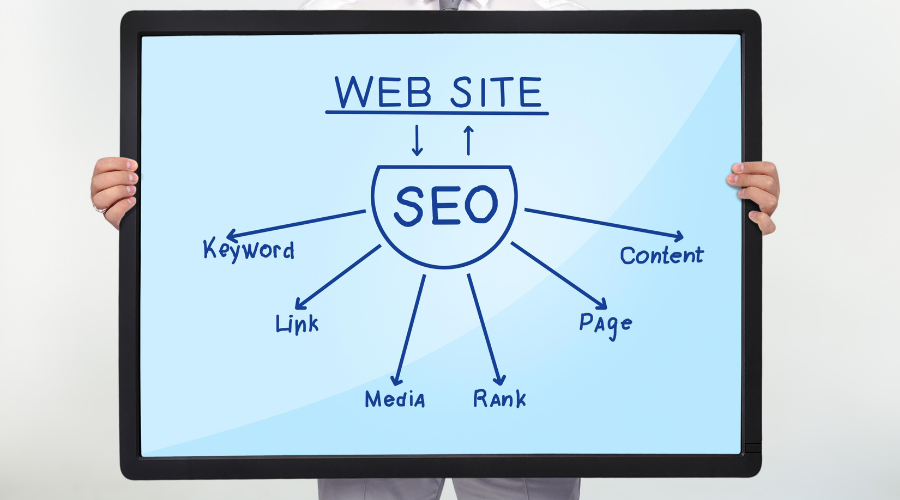
SEO Tips for Small Businesses In today’s digital world, having a strong online presence is essential for small businesses that want to attract customers and grow. Search Engine Optimization (SEO) helps your website appear in search results when potential customers look for your products or services. The good news is that you don’t need a big budget to improve your SEO—just the right strategies. Here are the most effective SEO tips small businesses can start using today. 1 Understand What Your Customers Search For SEO starts with knowing the keywords your customers useThink about the questions they ask the services they need or the problems they want solvedUse tools like Google Keyword Planner or simple Google searches to identify valuable keywordsThese phrases should guide your content and website structure 2 Optimize Your Website Pages Each page on your website should be clear organized and easy to understandInclude your main keyword in the title heading URL and first paragraph in a natural wayMake sure your website loads quickly is mobile friendly and has easy navigationSearch engines reward websites that give users a great experience 3 Create Helpful and Relevant Content Google ranks sites that provide real valueCreate blog posts guides FAQs and service pages that answer your customers’ questionsFocus on original content that solves problems and explains your services clearlyConsistent content helps build trust and improves your visibility 4 Use Local SEO to Attract Nearby Customers Small businesses benefit greatly from local SEOUpdate your Google Business Profile with your name address phone hours and servicesAdd photos posts and get customer reviews to boost visibilityAlso include city or region keywords on your website to improve local ranking 5 Improve Internal Linking Internal links help search engines understand your website structureLink related pages together such as blogs to services or FAQs to contact pagesThis increases time spent on your site and helps users find information easily 6 Get Quality Backlinks Backlinks are links from other websites to yoursThey signal to Google that your site is trustworthyYou can get backlinks by collaborating with partners guest posting and creating valuable content that others want to share 7 Use Clear Calls to Action SEO is more effective when your website leads visitors to take actionInclude clear prompts like request a quote schedule a call or learn moreThis helps convert traffic into real business opportunities 8 Track Your Results Use tools like Google Analytics and Google Search Console to track website traffic keyword performance and visitor behaviorMonitoring results helps you understand what’s working and what needs improvement Final Thoughts SEO may seem complex but small businesses can make a big impact by focusing on the basicsUnderstanding your audience optimizing your website and creating valuable content helps improve visibility and attract customers over time If you need help building a strong SEO strategy Pivot Solutions offers Digital Marketing and SEO services designed for small and medium sized businesses Company We deliver exceptional consumer experiences across Arizona, Colorado, and New Mexico, offering accounting services, construction, and digital strategy. Our focus is on meaningful results and ensuring client satisfaction. Contact Info (480) 339-0108 24/7 Support for Your Business Features Accounting Services Estimating Services Digital Marketing Services HR Services Most Recent Posts All Posts Accounting Consulting Estimating Human Resources Marketing   Back Accounting How to Avoid Payroll Mistakes in Small Business How to Measure Organizational Culture and Climate What Does a Business Consultant Do Explore Our Services We specialize in Accounting, Estimating, Marketing, and HR services, offering solutions that drive business success and growth. Explore More Category Accounting (37) Consulting (1) Estimating (17) Human Resources (12) Marketing (22) Tags accounting Estimating marketing

SEO Tips for Small Businesses Read More »

How Back Office Support Helps Business Growth

How Back Office Support Helps Business Growth

How Back Office Support Helps Business Growth Running a small or medium-sized business requires much more than selling products or delivering services. Behind the scenes, administrative tasks—like bookkeeping, payroll, HR, billing, data management, compliance, and customer support—take time, energy, and focus. These essential operations make up your back office, and when managed correctly, they can become a powerful engine for business growth. If your back office is inefficient or overloaded, your business slows down. But with the right support, your company can scale faster, operate more smoothly, and improve profitability. Here’s how back office support helps businesses grow 1. Frees Up Time to Focus on Core Activities Business owners often spend countless hours on administrative tasks.Back office support takes this workload off your plate so you can focus on: Sales Marketing Customer experience Strategic planning Product or service improvement More time for high-value activities = faster growth. 2. Reduces Operational Costs Hiring full-time employees for every administrative function can be expensive.Outsourcing back office support allows businesses to: Reduce payroll expenses Avoid costs of employee benefits Minimize training costs Pay only for the services needed This makes operations more cost-efficient without sacrificing quality 3. Improves Accuracy and Reduces Errors Back office functions like bookkeeping, payroll, invoicing, and compliance must be accurate.Errors can lead to: Penalties Lost revenue Delays Cash flow problems Professional back office support ensures consistent accuracy, reducing risks and improving financial stability. 4. Enhances Customer Experience A smooth back office = a smoother front-end experience.Support teams help with: Faster billing Accurate orders Quick responses Organized workflows When operations run well internally, customers notice—and stay loyal. 5. Provides Better Financial Insights A well-organized back office gives you access to real-time data such as: Cash flow reports Budget tracking Expense monitoring Revenue trends These insights help business owners make smarter decisions, forecast growth, and avoid financial problems. 6. Strengthens Compliance Compliance rules constantly change, especially in areas like payroll, HR, and taxes.Back office support helps your business stay compliant by ensuring: Accurate filings Updated employee records Proper documentation Organized financial data This prevents costly mistakes and protects your business legally. 7. Improves Scalability When your business grows, administrative tasks increase—more clients, more employees, more billing, more reporting.Back office support provides scalable systems that allow you to grow without chaos, delays, or burnout. 8. Supports Better Decision-Making With clean data, organized processes, and accurate reporting, you can make decisions with confidence.Back office support helps leaders plan, budget, and set strategies that lead to long-term growth. Final Thoughts Back office support is more than administrative assistance—it’s a strategic asset that helps businesses grow. By reducing costs, improving accuracy, strengthening compliance, and freeing up time for core activities, back office support allows owners to focus on what matters most: scaling their business. If you’re ready to streamline your operations and grow your company faster, Pivot Solutions can help with tailored back office support services. Company We deliver exceptional consumer experiences across Arizona, Colorado, and New Mexico, offering accounting services, construction, and digital strategy. Our focus is on meaningful results and ensuring client satisfaction. Contact Info (480) 339-0108 24/7 Support for Your Business Features Accounting Services Estimating Services Digital Marketing Services HR Services Most Recent Posts All Posts Accounting Consulting Estimating Human Resources Marketing   Back Accounting How to Reduce Hiring Costs in 2026 Elements of Organizational Culture: What Every Business Should Know How to Improve Website Ranking Explore Our Services We specialize in Accounting, Estimating, Marketing, and HR services, offering solutions that drive business success and growth. Explore More Category Accounting (37) Consulting (2) Estimating (17) Human Resources (14) Marketing (23) Tags accounting Estimating marketing

How Back Office Support Helps Business Growth Read More »

Social Media Trends 2026: What Businesses Need to Know

Social Media Trends 2026: What Businesses Need to Know

Social Media Trends 2026: What Businesses Need to Know Social media continues to evolve at a rapid pace, and 2026 is shaping up to be a year of smarter content, deeper personalization, and stronger community-driven platforms. For businesses, staying ahead of social media trends is no longer optional—it’s essential for visibility, engagement, and growth. In this article, we break down the most important social media trends for 2026 and how businesses can adapt to stay competitive. Why Social Media Trends Matter in 2026 Consumer behavior on social platforms is changing. Users now expect authentic content, personalized experiences, and real value. Platforms are prioritizing quality interactions over vanity metrics like likes or follower counts. Understanding these trends helps businesses: Improve engagement and reach Build stronger brand trust Increase conversions Stay relevant in a crowded digital space 1. Short-Form Video Continues to Dominate Short-form video remains the most effective content format across platforms like TikTok, Instagram Reels, YouTube Shorts, and Facebook. In 2026, successful videos will: Focus on storytelling Provide quick educational value Use captions for silent viewing Feel authentic rather than overly produced Brands that prioritize video content will see higher reach and engagement. 2. AI-Powered Content and Automation Artificial intelligence is becoming a core part of social media strategies. In 2026, businesses are using AI to: Generate content ideas Write captions and scripts Schedule posts Analyze performance Improve ad targeting When used correctly, AI saves time while maintaining consistency and quality. 3. Authentic and User-Generated Content Audiences trust people more than brands. That’s why user-generated content (UGC) continues to grow. Businesses are leveraging: Customer testimonials Reviews Behind-the-scenes content Real employee stories Authenticity builds credibility and aligns with Google’s E-E-A-T principles. 4. Social Commerce Becomes Standard Shopping directly through social media platforms is becoming the norm. In 2026, expect: Seamless in-app purchases Live shopping experiences Influencer-driven product discovery Short videos linked directly to products Businesses that integrate social commerce can shorten the customer journey. 5. Community-Focused Engagement Over Follower Counts Platforms are rewarding meaningful engagement rather than large audiences. Successful brands are: Creating private groups Encouraging conversations in comments Responding consistently to messages Building niche communities Strong communities drive loyalty and repeat business. 6. Personalized Content and Micro-Targeting Generic content is losing effectiveness. In 2026, personalization is key. Businesses are tailoring content based on: User behavior Location Interests Stage in the customer journey Personalized content leads to higher engagement and conversions. 7. SEO and Social Media Are More Connected Search behavior is shifting. Users now search directly on platforms like TikTok, Instagram, and YouTube. To stay visible, businesses must: Use keyword-optimized captions Add searchable hashtags Include on-screen text in videos Optimize profile bios Social SEO is essential for discovery in 2026. 8. Employee-Led and Founder-Led Content People want to connect with real humans behind the brand. Content featuring: Founders Leadership teams Employees Builds trust, transparency, and authority. This trend is especially powerful for service-based businesses. Final Thoughts Social media trends in 2026 are centered around authenticity, personalization, community, and smart use of technology. Businesses that focus on value-driven content, strong engagement, and platform optimization will outperform those chasing vanity metrics. Staying adaptable and aligned with these trends helps your brand grow sustainably in the digital space. If you want help creating a social media strategy aligned with 2026 trends, Pivot Solutions can support your business with content planning, strategy, and performance optimization Company We deliver exceptional consumer experiences across Arizona, Colorado, and New Mexico, offering accounting services, construction, and digital strategy. Our focus is on meaningful results and ensuring client satisfaction. Contact Info (480) 339-0108 24/7 Support for Your Business Features Accounting Services Estimating Services Digital Marketing Services HR Services Most Recent Posts All Posts Accounting Consulting Estimating Human Resources Marketing   Back Accounting Job Posting Tips for Small Business Owners Elements of Organizational Culture: What Every Business Should Know Google Ads vs Facebook Ads: Which One Is Better for Your Business? Explore Our Services We specialize in Accounting, Estimating, Marketing, and HR services, offering solutions that drive business success and growth. Explore More Category Accounting (37) Consulting (2) Estimating (17) Human Resources (18) Marketing (23) Tags accounting Estimating marketing

Social Media Trends 2026: What Businesses Need to Know Read More »

Job Posting Tips for Small Business Owners

Job Posting Tips for Small Business Owners Hiring the right employees is one of the biggest challenges small business owners face. A strong job posting can attract qualified candidates, reduce hiring time, and lower recruitment costs. However, many businesses struggle because their job ads are unclear, generic, or poorly optimized. In this guide, you’ll learn practical job posting tips to help your small business attract the right talent and build a strong team. Why Job Postings Matter for Small Businesses Your job posting is often the first impression a candidate has of your company. A well-written job ad helps you: Attract qualified applicants Reduce unqualified resumes Improve hiring speed Strengthen your employer brand Lower recruitment costs Clear and optimized job postings set expectations and save time for both employers and candidates. 1. Write a Clear and SEO-Friendly Job Titl The job title is one of the most important elements of your posting. Use clear, commonly searched job titles instead of internal or creative terms. Good examples: Marketing Coordinator Construction Estimator Bookkeeper for Small Business Avoid: Rockstar Marketer Ninja Accountant Using SEO-friendly job titles improves visibility on Google and job boards. 2. Start With a Strong Job Summary The opening paragraph should quickly explain: Who you are What the role does Why someone should apply Keep it short and engaging. This section helps candidates decide if they want to keep reading. 3. Clearly Define Job Responsibilities List the main duties using clear, simple language. Focus on what the employee will actually do daily. This helps: Set clear expectations Reduce confusion Attract candidates with the right experience Avoid long, vague descriptions and keep responsibilities realistic for the role. 4. List Required Skills and Qualifications Separate required skills from preferred skills to avoid discouraging good candidates. Include: Technical skills Software or tools used Years of experience (if needed) Certifications or education This improves applicant quality and helps filtering during the hiring process. 5. Highlight Compensation and Benefits Transparency builds trust. Whenever possible, include: Salary range or hourly rate Benefits (healthcare, PTO, bonuses) Flexible schedules or remote options Job postings with salary information often receive more qualified applicants. 6. Showcase Your Company Culture Candidates want to know what it’s like to work with you. Briefly describe: Your values Team environment Growth opportunities Work-life balance This helps attract candidates who align with your company culture. 7. Use Keywords Throughout the Job Posting To improve SEO and visibility, naturally include keywords such as: Job posting for small business Hiring employees Recruitment tips Job openings Hiring process Avoid keyword stuffing—keep the content natural and helpful. 8. Post on the Right Job Platforms Maximize visibility by posting on: Google Jobs LinkedIn Indeed Industry-specific job boards Your company website Sharing job postings on social media can also increase reach Final Thoughts A well-written job posting is a powerful hiring tool for small business owners. By using clear language, SEO-friendly keywords, transparent compensation, and strong structure, you can attract better candidates and reduce hiring challenges. Investing time in your job postings leads to better hires, stronger teams, and long-term business growth. Company We deliver exceptional consumer experiences across Arizona, Colorado, and New Mexico, offering accounting services, construction, and digital strategy. Our focus is on meaningful results and ensuring client satisfaction. Contact Info (480) 339-0108 24/7 Support for Your Business Features Accounting Services Estimating Services Digital Marketing Services HR Services Most Recent Posts All Posts Accounting Consulting Estimating Human Resources Marketing   Back Accounting Elements of Organizational Culture: What Every Business Should Know Google Ads vs Facebook Ads: Which One Is Better for Your Business? How to Build a Strong Brand Identity Explore Our Services We specialize in Accounting, Estimating, Marketing, and HR services, offering solutions that drive business success and growth. Explore More Category Accounting (37) Consulting (2) Estimating (17) Human Resources (17) Marketing (23) Tags accounting Estimating marketing

Job Posting Tips for Small Business Owners Read More »

How to Build a Strong Brand Identity

How to Build a Strong Brand Identity

How to Build a Strong Brand Identity A strong brand identity is more than a logo or a color scheme—it’s the complete experience people associate with your business. In today’s competitive marketplace, customers choose brands they recognize, trust, and emotionally connect with. Building a consistent brand identity helps you stand out, communicate your value, and create long-term loyalty. As a business consultant and marketing specialist, I’ve worked with many small and medium-sized businesses across the U.S. to develop authentic, memorable brands. Below, I share the essential steps to build a solid brand identity that supports growth and credibility. 1. Start With a Clear Purpose and Mission A strong brand identity begins with understanding why your business exists and who it serves.Before designing visuals or writing messages, define: Your mission Your long-term vision Your core values The problem you solve for your audience What differentiates you from competitors Clarity strengthens your brand and ensures your messaging connects with the right people. 2. Know Your Target Audience Deeply To build an identity that resonates, you must know exactly who you’re speaking to.Identify: Demographics (age, location, income, job role) Psychographics (motivations, pain points, lifestyle) Buying behavior What they value in a brand You can use surveys, customer interviews, analytics, and market research to understand your audience better. The clearer you are, the stronger your branding will be. 3. Define Your Brand Personality Your brand personality is the emotional and human side of your business.Ask yourself: If my brand were a person, how would it behave? What tone of voice reflects our values? How should customers feel when they interact with us? Common brand personality traits include:Professional, friendly, bold, innovative, trustworthy, reliable, creative. This guides your visuals, messaging, and communication style. 4. Develop a Consistent Visual Identity Visual elements shape first impressions. Your brand identity should include: Logo Color palette Typography styles Imagery and graphic style Brand layout templates These elements must stay consistent across your website, social media, print materials, and ads. Consistency increases recognition and builds trust. 5. Craft a Clear Brand Message and Voice Your brand message explains who you are, what you offer, and why it matters.A strong message includes: A concise value proposition A clear tone of voice (professional, warm, educational, etc.) Key messaging pillars that guide your content A tagline or slogan that captures your essence The goal is to communicate with clarity, authenticity, and consistency. 6. Build a Strong Customer Experience Brand identity is not only visual—it’s experiential.Every touchpoint matters: How you respond to calls and emails How customers feel when they interact with your team The quality and reliability of your service Post-purchase communication Your online reputation and reviews A strong customer experience reinforces a strong brand identity. 7. Align Your Content Strategy With Your Brand Content shows your expertise, personality, and value. To strengthen your brand, create content that: Educates your audience Shows your authority and experience Answers common questions Demonstrates your values Builds trust with potential clients This could include blogs, social media posts, case studies, videos, or newsletters. With consistent content, your brand becomes more recognizable and credible 8. Stay Consistent Across All Touchpoints Consistency is one of the most important factors in brand identity.Make sure your: Visuals Messaging Tone Experience Values Remain consistent everywhere—online and offline. This builds brand recognition and increases customer trust over time. 9. Adapt and Evolve as Your Business Grows Brands are not static; they evolve.As your business scales, enters new markets, or updates its goals, your brand identity may need refinement. This does not always mean a full rebrand—sometimes small updates strengthen clarity and relevance Final Thoughts Building a strong brand identity requires clarity, consistency, and strategy. When done well, it helps your business stand out, attract the right audience, and build long-term trust. By understanding your purpose, defining your audience, creating cohesive messaging, and delivering a consistent experience, you build a brand that people remember—and prefer. If you need help developing your brand identity, Pivot Solutions can support you with branding, visual design, and strategic marketing tailored to your business goals. Company We deliver exceptional consumer experiences across Arizona, Colorado, and New Mexico, offering accounting services, construction, and digital strategy. Our focus is on meaningful results and ensuring client satisfaction. Contact Info (480) 339-0108 24/7 Support for Your Business Features Accounting Services Estimating Services Digital Marketing Services HR Services Most Recent Posts All Posts Accounting Consulting Estimating Human Resources Marketing   Back Accounting How Back Office Support Helps Business Growth How to Reduce Hiring Costs in 2026 Elements of Organizational Culture: What Every Business Should Know Explore Our Services We specialize in Accounting, Estimating, Marketing, and HR services, offering solutions that drive business success and growth. Explore More Category Accounting (37) Consulting (2) Estimating (17) Human Resources (15) Marketing (23) Tags accounting Estimating marketing

How to Build a Strong Brand Identity Read More »

How to Improve Website Ranking

How to Improve Website Ranking 1. Optimize Your On-Page SEO Elements Your website’s on-page SEO is the foundation of its search engine performance. It includes all the elements you can directly control within your pages. Start by ensuring your main keyword “how to improve website ranking” appears naturally in your title tag, H1 heading, and introduction. Write an engaging meta description between 150 and 160 characters that clearly communicates your value and encourages users to click. Maintain a logical structure using H2 and H3 headings with keyword variations, and keep your URLs short and descriptive. Images should include alt text for accessibility and keyword relevance. Performing an on-page SEO audit with tools such as Ahrefs, Surfer SEO, or Rank Math will help you identify missing or underperforming elements. 2. Publish High-Quality, Expert-Driven Content In 2025, Google’s Helpful Content and E-E-A-T updates continue to prioritize content that demonstrates genuine expertise and trust. To rank higher, create articles that are comprehensive, actionable, and backed by real-world experience. Write from your own perspective and include data, examples, and case studies that prove your authority. Keep your information updated and structure your posts for readability with short paragraphs and visual support. Long-form content above 2,000 words tends to generate more organic traffic  3. Improve Your Website Loading Speed A fast-loading website enhances both user experience and search visibility. Google’s Core Web Vitals measure how quickly and smoothly your pages load, making speed a crucial ranking factor. Reduce your image sizes by compressing them with tools like TinyPNG or ShortPixel. Implement lazy loading for images and videos to improve initial load time. Choose a reliable hosting provider that offers global CDN support and minimize the use of heavy JavaScript or CSS files. Aim for a load time under two seconds to provide visitors with the best experience possible and improve your chances of ranking higher. 4. Build High-Quality Backlinks Backlinks remain one of the strongest ranking signals in Google’s algorithm. However, in 2025, the focus is on the quality and relevance of each link rather than the quantity. Earn backlinks by creating original and shareable resources, such as research reports or infographics. Guest post on respected blogs within your industry, and participate in digital PR efforts that allow you to be quoted as an expert. Building genuine relationships with other websites will lead to natural mentions and increased authority. Avoid buying links or engaging in link exchanges, as these can trigger penalties and harm your site’s credibility. 5. Enhance Mobile and User Experience With more than 65 percent of searches happening on mobile devices  optimizing your website for mobile performance is essential. A mobile-friendly site improves usability, engagement, and ranking. Use a responsive design that adjusts automatically across devices. Simplify menus and navigation to make browsing easy. Ensure your font sizes are large enough for comfortable reading, and position buttons where users can easily tap them. Google’s Mobile-Friendly Test can help you verify your site’s compatibility. A smooth user experience reduces bounce rates and sends positive signals to search engines about your site’s quality. 6. Focus on Keyword Intent and Content Relevance Successful SEO in 2025 is about understanding search intent rather than simply using keywords. Each query reflects a user’s purpose, and aligning your content with that intent determines whether your page ranks well. Informational searches like “how to improve website ranking” require detailed guides. Navigational queries like “Google Search Console login” expect direct access to a page or tool. Transactional and commercial searches such as “best SEO tools 2025” or “top SEO agencies near me” work best with product comparisons and service pages. When you create content that directly answers the user’s intent, your engagement metrics improve, which helps your overall ranking. 7. Strengthen Technical SEO Technical SEO ensures that search engines can easily crawl, index, and understand your website. Even the best content can fail to rank if your technical structure isn’t sound. Submit an XML sitemap through Google Search Console to ensure all important pages are indexed. Fix broken links and redirect chains to maintain a healthy site structure. Always use HTTPS for security and trustworthiness. Implement structured data markup to enhance your presence in search results and set canonical URLs to prevent duplicate content issues. Regular technical audits using Screaming Frog or Sitebulb will help you detect and fix problems before they affect your visibility. Conclusion: Start Improving Your Website Ranking Today Improving your website ranking in 2025 requires a consistent combination of technical precision, valuable content, and user-focused optimization. By applying these strategies, you can strengthen your visibility, attract qualified visitors, and build long-term authority in your niche. If you’re ready to take your SEO to the next level, our team can help you develop a tailored strategy that drives measurable growth and lasting results. Company We deliver exceptional consumer experiences across Arizona, Colorado, and New Mexico, offering accounting services, construction, and digital strategy. Our focus is on meaningful results and ensuring client satisfaction. Contact Info (480) 339-0108 24/7 Support for Your Business Features Accounting Services Estimating Services Digital Marketing Services HR Services Most Recent Posts All Posts Accounting Estimating Human Resources Marketing   Back Accounting How to Improve Website Ranking How Do Preconstruction Services Save Money on Projects? Best AI Tools for Small Business in 2025 Explore Our Services We specialize in Accounting, Estimating, Marketing, and HR services, offering solutions that drive business success and growth. Explore More Category Accounting (36) Estimating (12) Human Resources (9) Marketing (20) Tags accounting Estimating marketing

How to Improve Website Ranking Read More »